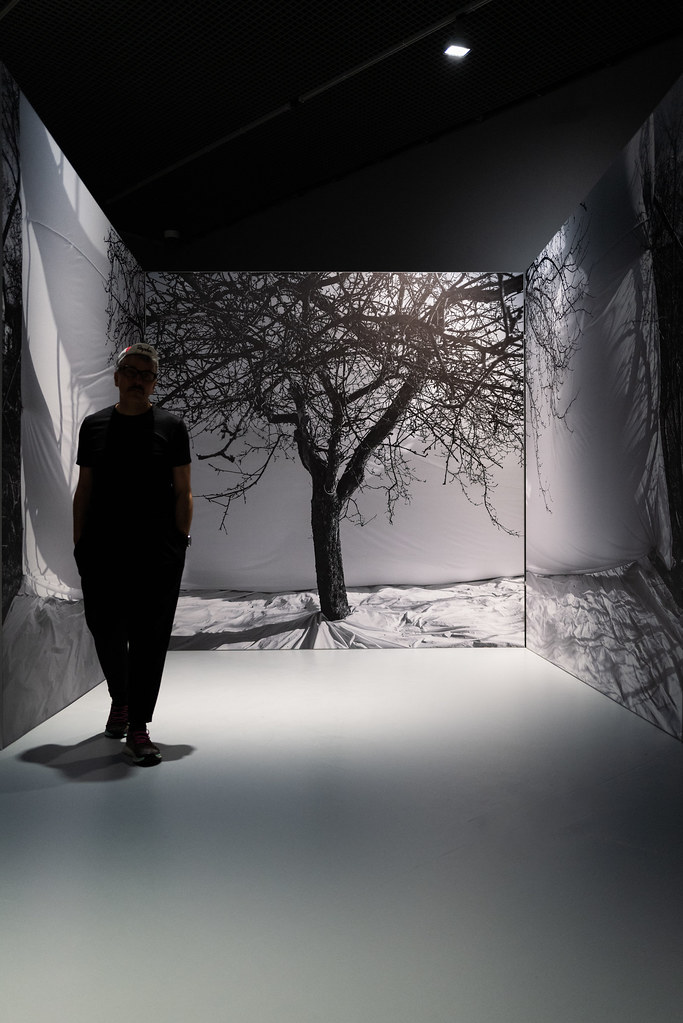
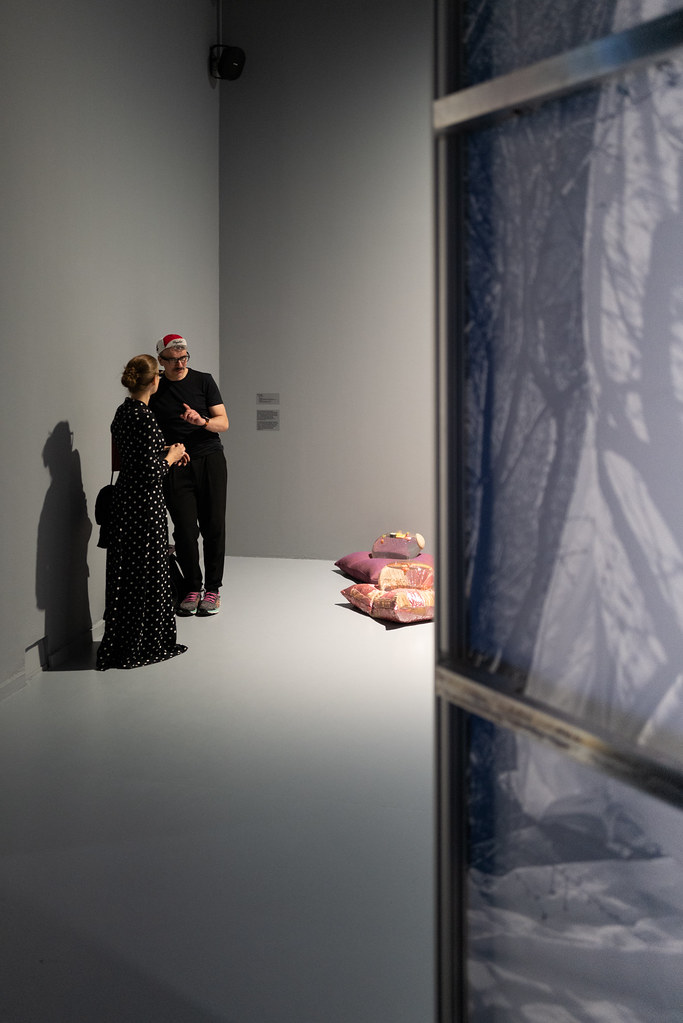
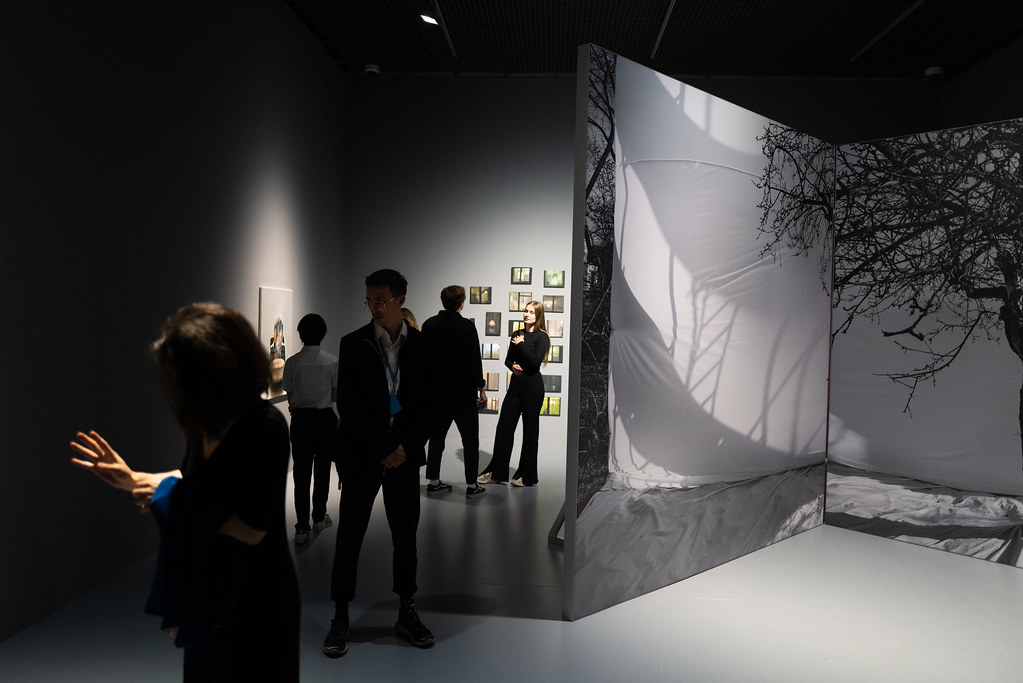
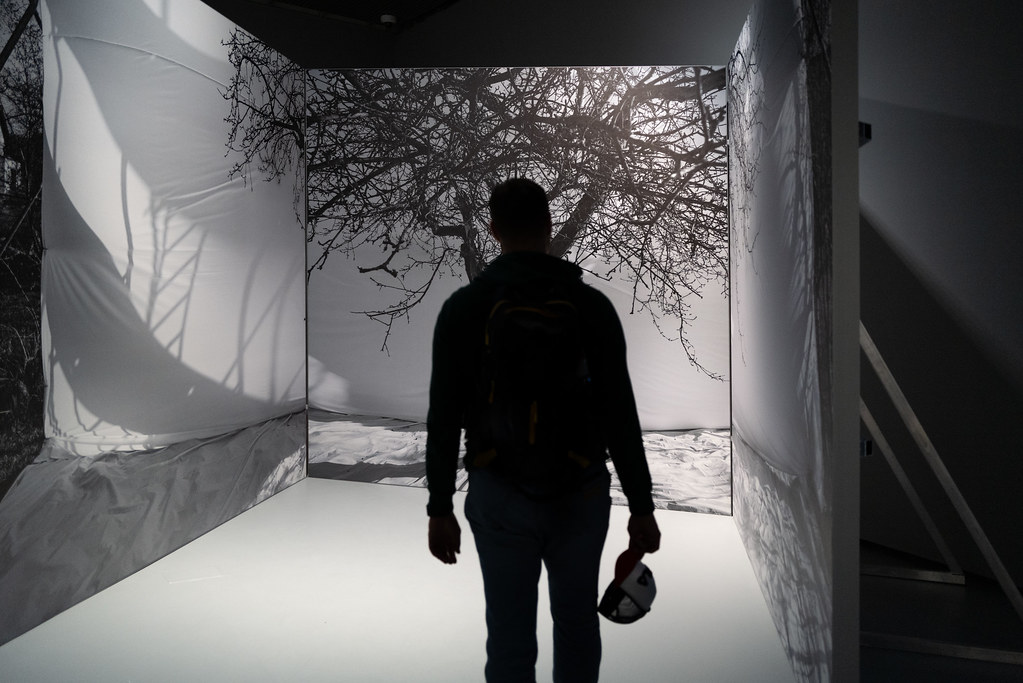
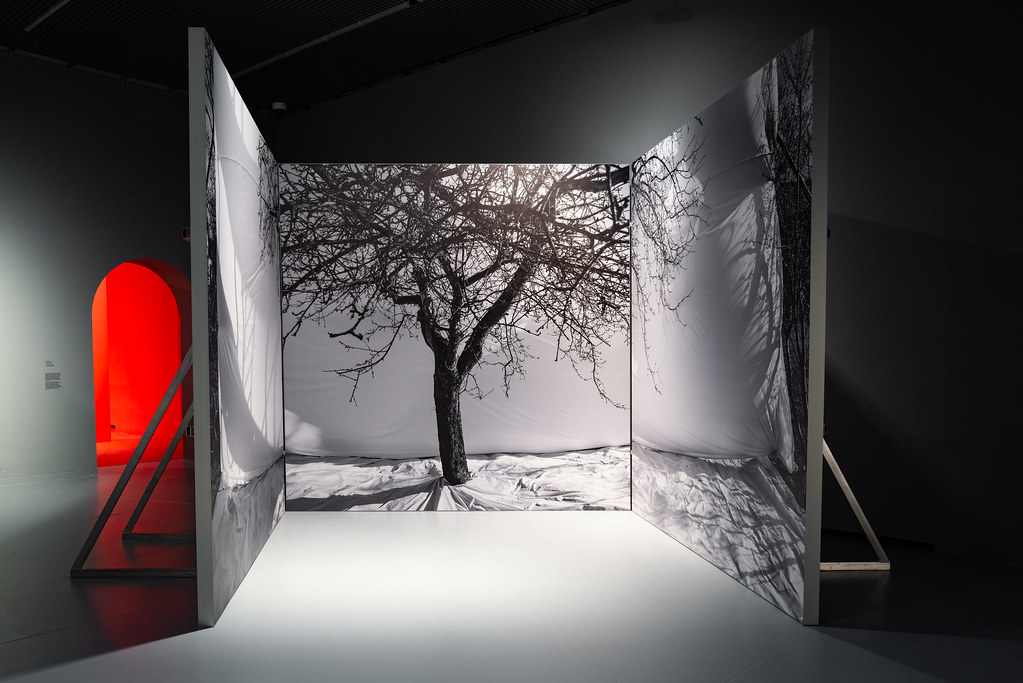
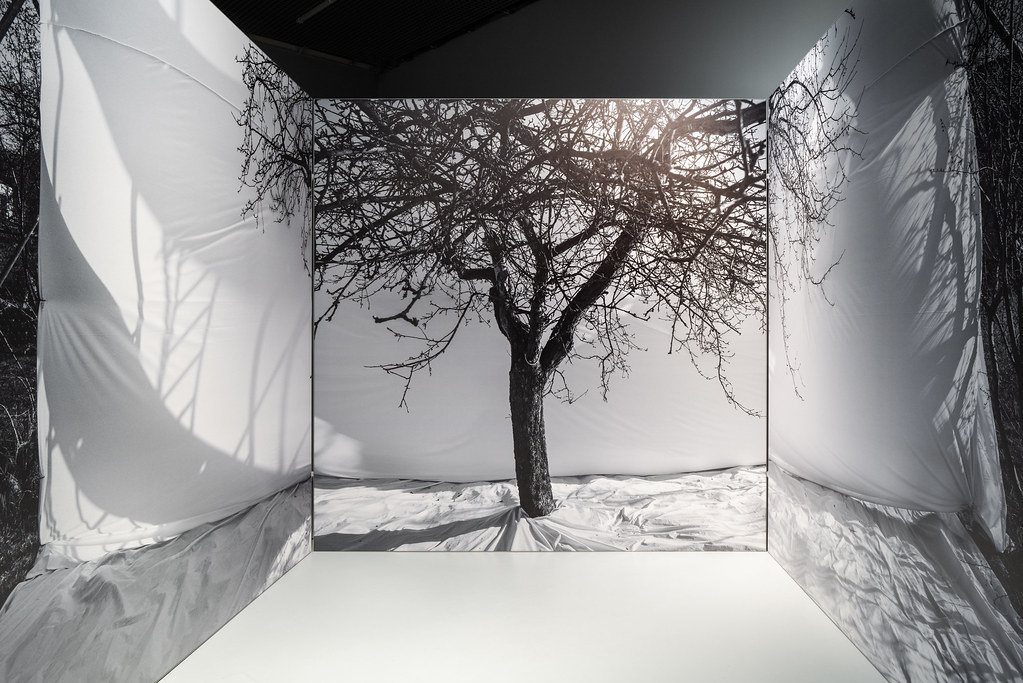
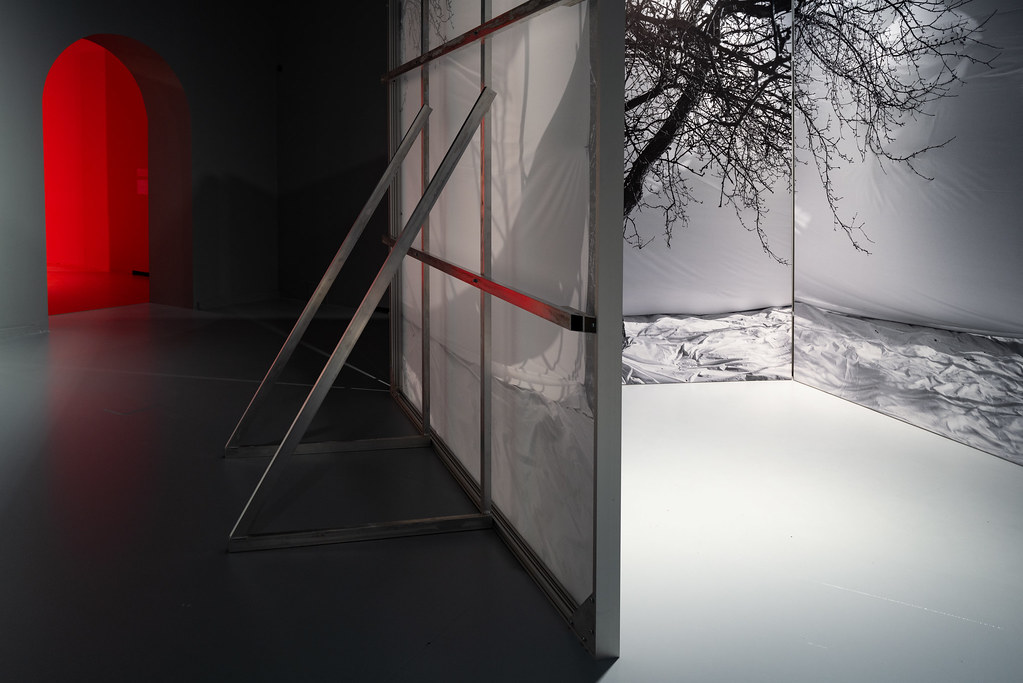
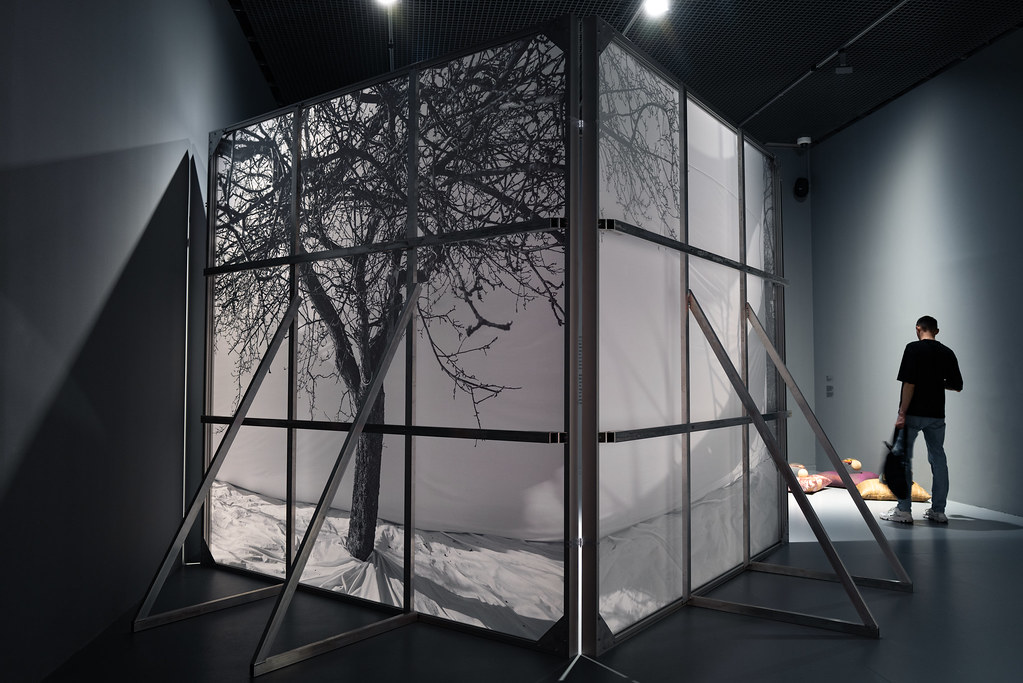
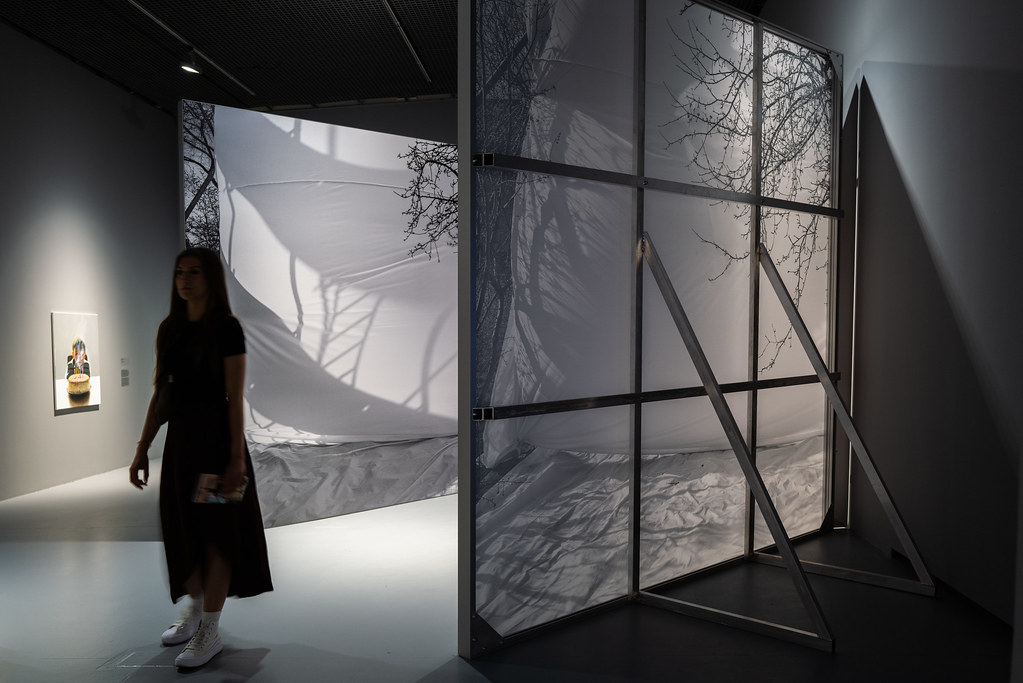
Temporary God
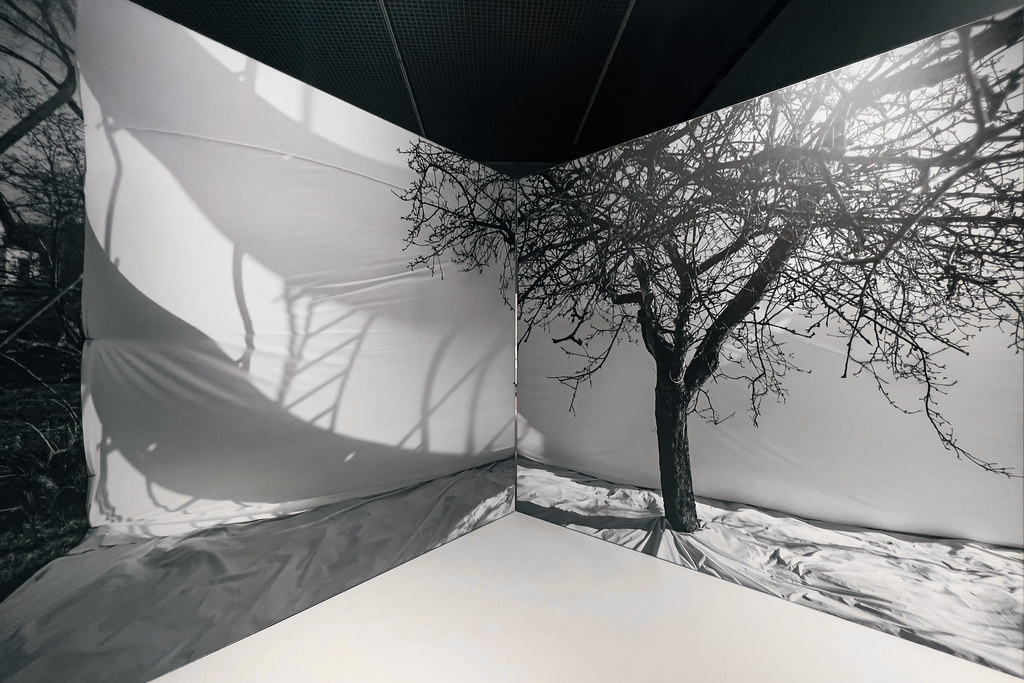
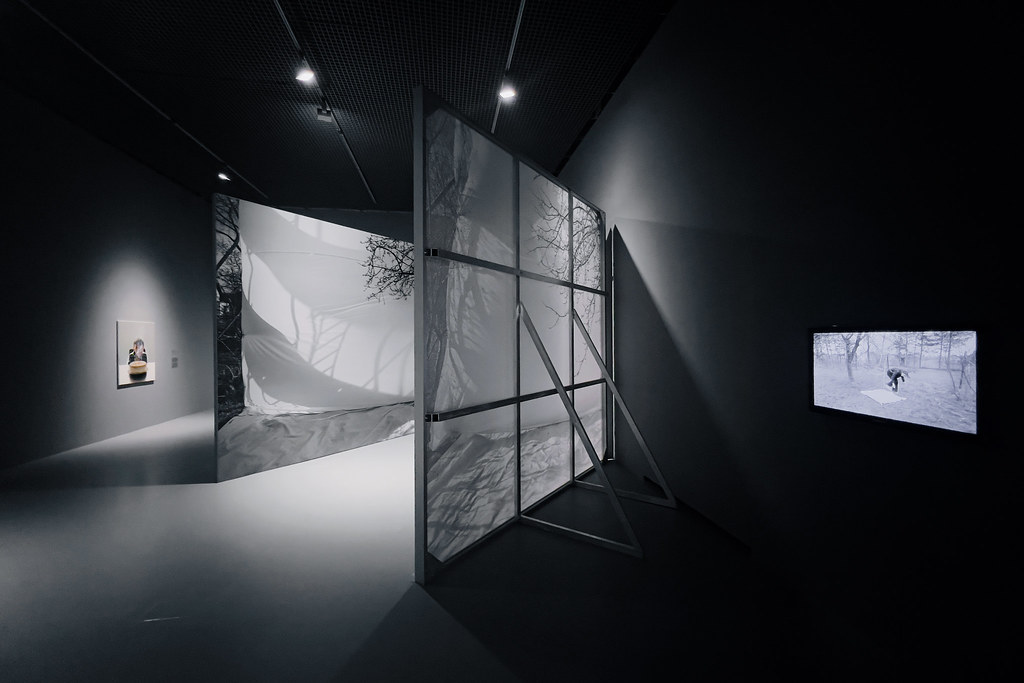
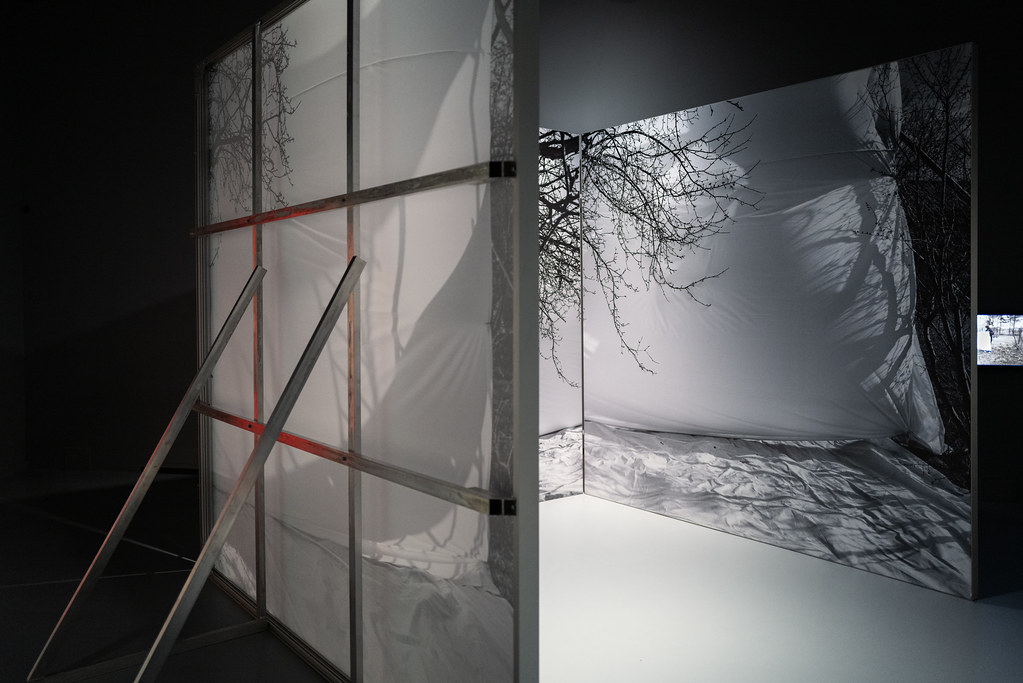
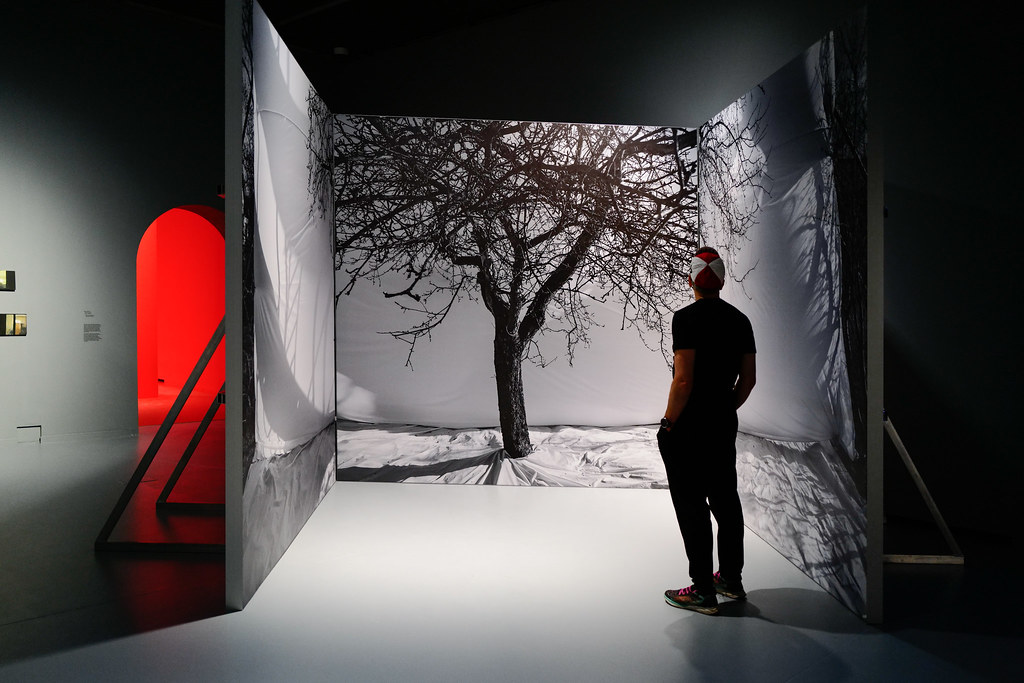
(photography, objects, video, text)
“Søren Kierkegaard mentions memory in “The Alternating Economy” and “Repetition”. In “The alternating economy” he shows the desire to forget what is unpleasant and unpleasant. According to Kierkegaard, one must learn to forget. The ability to forget depends on memory and experiencing reality. Kierkegaard points out that, on the one hand, no moment can be so important to us that we cannot forget it whenever we want, and on the other hand, no moment should be forgettable. He sees the dependence of forgetting on memory. As he claims, you have to learn to forget, you have to acquire this skill. “The more poetically one remembers, the easier one forgets, because to remember poetically is simply an expression for forgetting.”
Time. A mere moment. Our capacity to remember rarely exceeds just that. The ever-shifting now constantly moving between memories and optimism of tomorrow. Stretched thin in its perpetual journey towards the in-a-month, in-a-year.
A strange conviction that the reality the photographs represent has never actually happened. A peculiar kind of visual literature of non-existence. One is left with digital data, weightless files, more elusive than words. Protected in the same way as the child of yesterday. Each year has its own folder, each folder – its own collections, each collection – its own tags. A file resembles the holy wafer confined to the tabernacle of my hard drive. For the eyes, to perpetuate the past. To protect, to demonstrate, to make sure someone finds it. But will the faith remain unaltered? Will it find its followers?
Adobe Bridge. The eternal collection of youthhood. Lost a few times. Tens of thousands of photographs. Crisis. Maybe it is better to leave it be and learn how to forget. No. And so, I pick up these tiny grains all over again. I pile up a mound. 647, 790, 1254… It keeps growing bigger and bigger. Numbered days, hours, missing teeth, hands painted blue, a tree bent trice, a needle sticking out of a vein, LEGO bricks tangled in the hair, secret paths in the woods, first boyfriend, laughter, eyes fixed on the lens, tears, reflections of light on the windowpane, the dead. God sees all. God is happy.
I once told N.: I am your God, for I have known you from the beginning.
Today I realize I am a temporary god who only thought that he knew that he had some insight, and that his superhuman compulsive depiction of someone’s life would give him something. I am a retreating god. A god whose knowledge dwindles. A god who is trying to create faith in his own creation. A god without hands. Like the one my grandma Frydzia had on the wall. A white figure of God hanging on a cross curved out from a piece of coal. God without hands. Some joke of the Silesian home – hanging, though not even nailed to that cross. Still, with a lightness to him, as if he was levitating. The miracle of Stanowice. No hands, but still crucified. All my childhood I looked at him and thought that if he came down from that cross, he could not embrace me.
“Søren Kierkegaard wspomina o pamięci w “Gospodarce przemiennej” oraz w “Powtórzeniu”. W “Gospodarce przemiennej” przedstawia chęć zapominania tego, co nieprzyjemne i przykre. Jak twierdzi Kierkegaard, trzeba się nauczyć zapominać. Umiejętność zapominania zależy od pamięci i przeżywania rzeczywistości. Kierkegaard wskazuje na to, że, z jednej strony, żadna chwila nie może mieć dla nas takiego znaczenia, aby nie można było o niej zapomnieć, kiedy chcemy, z drugiej zaś, żadna chwila nie powinna dać się zapomnieć. Dostrzega zależność zapominania od pamięci. Jak twierdzi, zapominania trzeba się nauczyć, trzeba tę umiejętność posiąść. „Im poetyczniej się pamięta, tym łatwiej się zapomina, gdyż pamiętać poetycznie jest to po prostu wyrażenie oznaczające zapomnienie”
Czas, jeden moment. Tylko tyle jesteśmy w stanie pamiętać. Wieczne teraz przesuwane w czasie. Rozciągane pomiędzy wspomnieniami, a optymizmem jutra, zamiesiąca, zaroku. Dziwne przeświadczenie, że wszystko co ze zdjęć stworzone – nie wydarzyło się. Osobliwy rodzaj wizualnej literatury nieistnienia.
Są tylko pliki bez wagi, delikatniejsze niż słowa. Chronione tak samo jak wczorajsze dziecko. Każdy rok ma swój folder, każdy folder kolekcje, każda kolekcja swoje tagi. Plik, jak święty wafel zamknięty w tabernakulum dysku. Dla oczu by utrwalać przeszłość. By chronić, by pokazać, by ktoś znalazł. Tylko czy wiara się nie zmieni i czy spotka swoich wyznawców?
Adobe Bridge. Wieczna kolekcja youthhood. Parę razy zniknęła. Dziesiątki tysięcy zdjęć. Kryzys. Może lepiej zostawić – uczyć się zapominania. Nie. Zbieram więc te ziarenka od nowa. Usypuję kopczyk 647, 790, 1254… Rośnie. Numerowane dni, godziny, brak zębów, niebieskie ręce, potrójnie zgięte drzewo, igła wbita w żyłę, klocki Lego na włosach, tajne ścieżki w lasach, pierwszy chłopak, śmiech, oczy wbite w obiektyw, płacz, refleksy na szybach, umarli. Bóg widzi wszystko. Bóg się cieszy.
Powiedziałem kiedyś N. jestem Twoim bogiem, bo znam Cię od początku.
Dzisiaj wiem, że jestem tymczasowym bogiem, który tylko myślał, że wie, że ma wgląd, że nadludzkie kompulsywne obrazowanie czyjegoś życia coś mu da. Jestem wycofującym się bogiem. Bogiem coraz mniej wiedzącym. Usiłującym stworzyć wiarę w swoje stworzenie. Bogiem bez rąk. Takim jak ten, którego na ścianie miała babcia Frydzia. Na wyciętym z węgla krzyżu wisiał biały Bóg bez rąk. Zupełnie nie przybity, jakiś żart śląskiego domu, a jednak była w nim ta lekkość lewitacji.
Taki stanowicki cud. Przybity do krzyża bez rąk. Całe dzieciństwo na niego spoglądałem i zastanawiałem się, że gdyby zszedł z tego krzyża nie objąłby mnie.